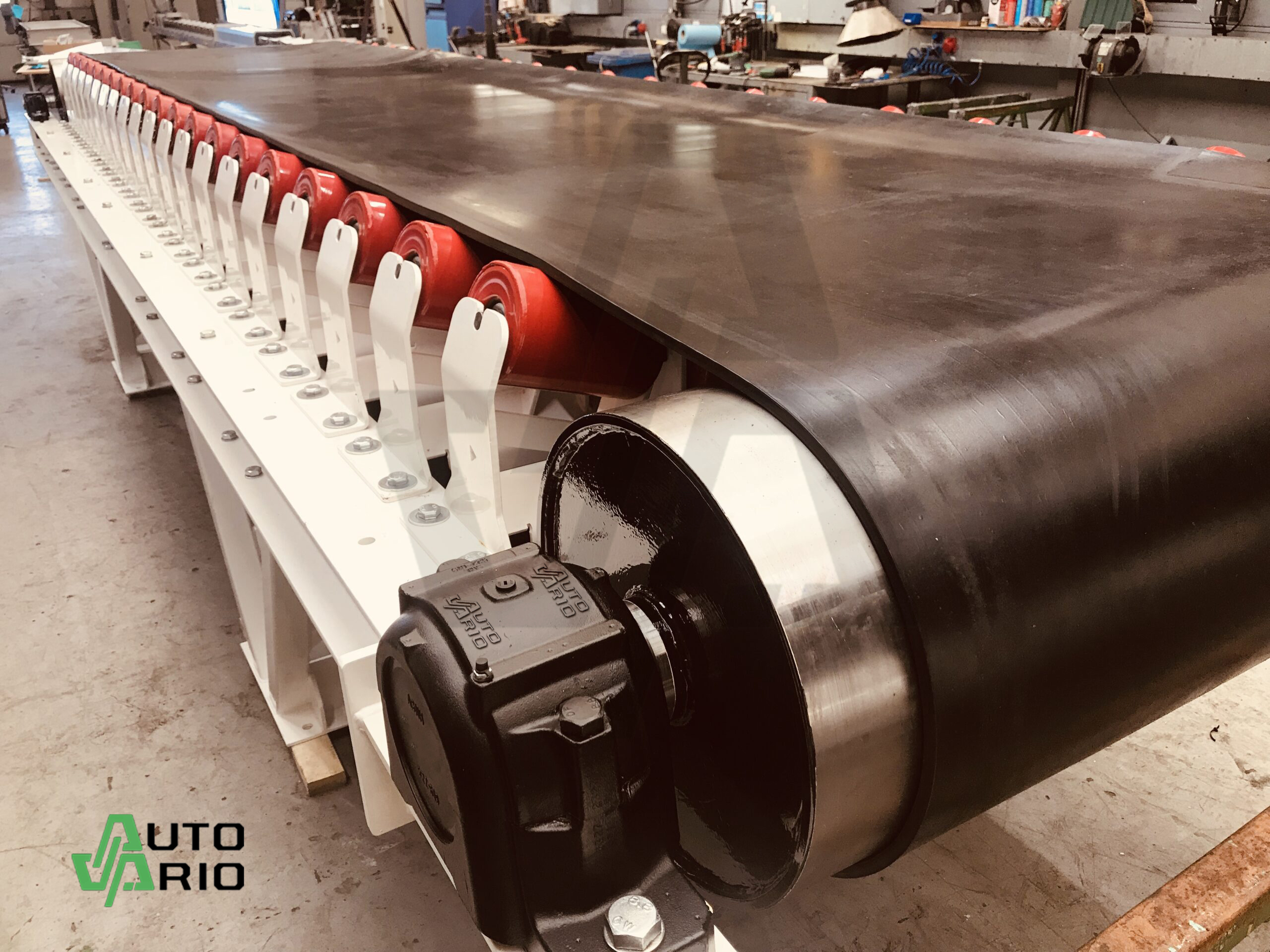
Conveyor belt systems are essential in modern manufacturing, logistics, and processing industries. They help move products efficiently across production lines, improving productivity and reducing manual handling.
However, like any mechanical system, conveyor belts can experience problems that lead to downtime, reduced efficiency, and increased maintenance costs if not properly maintained.
In this article, we explore the 10 most common conveyor belt problems and practical ways to prevent them.
1. Belt Misalignment (Tracking Problems)
One of the most common conveyor issues is belt misalignment, also known as belt tracking problems. This occurs when the belt moves off-center and begins rubbing against the conveyor frame.
Causes
- Improper belt tension
- Misaligned rollers or pulleys
- Uneven loading of materials
Prevention
- Regularly inspect and align rollers and pulleys
- Maintain proper belt tension
- Ensure materials are loaded evenly on the belt
2. Belt Slippage
Belt slippage happens when the belt loses traction on the drive pulley, causing reduced movement or complete stoppage.
Causes
- Insufficient belt tension
- Worn or damaged pulleys
- Excessive load on the conveyor
Prevention
- Adjust the belt tension properly
- Inspect drive pulleys regularly
- Avoid overloading the conveyor system
3. Excessive Belt Wear
Over time, conveyor belts can wear out due to constant friction and heavy use.
Causes
- Poor belt material selection
- Abrasive materials
- Lack of regular maintenance
Prevention
- Choose the correct belt material for the application
- Conduct routine inspections
- Replace worn parts before major damage occurs
4. Material Spillage
Material spillage occurs when products fall off the conveyor belt during transportation.
Causes
- Improper loading
- Belt misalignment
- Lack of side guards
Prevention
- Install side guides or guards
- Ensure proper product placement
- Maintain correct belt alignment
5. Belt Tearing or Damage
Sharp materials or mechanical issues can cause tears or cuts in the belt.
Causes
- Sharp edges on transported materials
- Foreign objects in the system
- Damaged conveyor components
Prevention
- Use durable belts suitable for the application
- Install protective equipment where necessary
- Remove foreign objects from the conveyor path
6. Roller or Pulley Failure
Rollers and pulleys support the conveyor belt. If they fail, the belt cannot move efficiently.
Causes
- Lack of lubrication
- Overloading
- Bearing failure
Prevention
- Schedule routine lubrication
- Replace worn bearings
- Monitor conveyor load limits
7. Motor or Drive System Failure
The motor and drive system power the conveyor belt. Mechanical or electrical issues can stop the system completely.
Causes
- Electrical faults
- Overheating
- Poor maintenance
Prevention
- Regularly inspect motors and drive components
- Ensure proper cooling and ventilation
- Follow manufacturer maintenance schedules
8. Build-Up of Material on Rollers
Material build-up can occur when debris accumulates on rollers, affecting belt movement.
Causes
- Dust, powders, or sticky materials
- Inadequate cleaning procedures
Prevention
- Install belt cleaners or scrapers
- Perform regular cleaning
- Monitor material accumulation
9. Belt Stretching
Over time, conveyor belts can stretch, which affects tension and performance.
Causes
- Long-term usage
- Improper belt tension
- Heavy loads
Prevention
- Use proper belt tensioning systems
- Replace belts when necessary
- Monitor belt condition regularly
10. Poor Conveyor Design
Sometimes conveyor problems are not due to maintenance but rather improper system design.
Causes
- Incorrect belt type selection
- Poor layout planning
- Inadequate load capacity
Prevention
- Design conveyor systems based on operational requirements
- Work with experienced engineers
- Choose equipment suited to the production process
Comments are closed